Sindh to introduce Multilingual Education Policy
KARACHI: The Sindh School Education and Literacy Department has decided to introduce a Multilingual Education Policy to teach languages as subjects across the province, with technical support from the British Council.
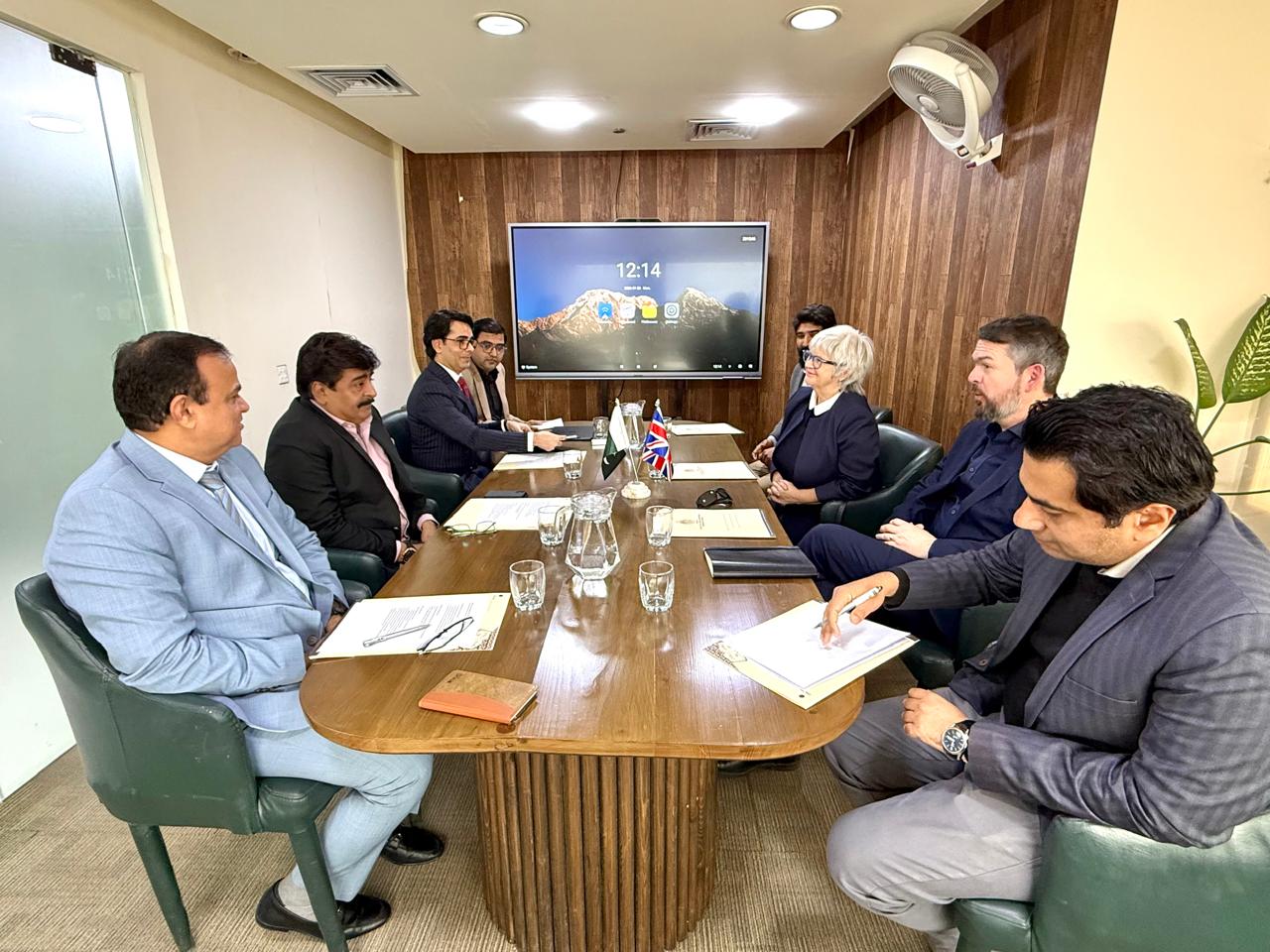
The decision was discussed during a meeting between Sindh Minister for Education and Mineral Development Syed Sardar Ali Shah and a high-level British Council delegation led by South Asia Regional Director Helen Silvester. Officials from the Sindh School Education Department, including Secretary Zahid Ali Abbasi, were also present.
Under the new policy, a standardized teaching framework will be developed to strengthen students’ speaking, listening, reading, and writing skills in multiple languages. The initiative aims to help students from diverse linguistic backgrounds improve literacy while maintaining and strengthening their mother tongues.
Education experts believe the policy could have a significant impact in Sindh by improving early-grade learning outcomes, reducing language-related learning barriers, and lowering dropout rates, particularly in rural and underprivileged areas. A structured multilingual approach is also expected to enhance students’ comprehension, confidence, and overall academic performance, while better equipping teachers with modern language-teaching methodologies.
The meeting also reviewed the second phase of the English as a Subject for Teachers and Educators (EaSTE-II) programme. Under this initiative, 1,000 mentors and 30,000 teachers will be trained to improve English language teaching skills, with a special focus on the professional development of newly recruited teachers.
Discussions were also held on Sindh’s cluster policy, under which 1,794 clusters have been established and will operate through a multi-layer leadership model, with cluster heads receiving leadership and management training.
Internationally, multilingual education is considered a best practice and is widely implemented in countries such as Finland, Canada, South Africa, and several other regions. Global research and UNESCO guidelines emphasize mother-tongue–based instruction alongside the gradual introduction of national and international languages to improve inclusivity and learning outcomes.
Additionally, it was agreed to expand Early Childhood Education and Foundational Learning by incorporating these components into teachers’ training modules. The British Council assured full support, expressing confidence that the EaSTE-II programme would lead to measurable improvements in teaching standards across Sindh.