SEPA Launches Hospital Waste Management Program
KARACHI: The Sindh Environmental Protection Agency (SEPA) has launched a hospital waste management training program under the directives of Director General SEPA Waqar Hussain Phulpoto, with the first session held at Lyari General Hospital. The initiative aims to improve medical waste handling practices within healthcare facilities and reduce health and environmental risks caused by improper disposal.
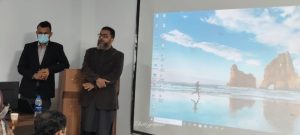
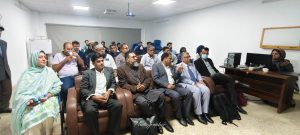
The training program is designed to enhance the capacity of doctors, nurses, and paramedical staff by familiarizing them with the complete lifecycle of hospital waste, from generation to final disposal. Participants were trained in practical procedures for waste segregation, collection, temporary storage, treatment, and safe disposal, using real-life examples from hospital wards, laboratories, and operation theatres.
Director General SEPA Waqar Hussain Phulpoto stated that while SEPA continues to enforce environmental laws, the agency is also placing strong emphasis on awareness and education. He noted that capacity-building initiatives, particularly in the healthcare sector, are essential for effective pollution control and long-term compliance with environmental standards.
A major focus of the training was waste segregation at source, meaning the separation of waste at the point of generation. Hospital staff were trained to identify different waste categories and dispose of them in designated color-coded containers. These included general waste such as paper and food remnants; infected plastic waste like syringes, gloves, and IV sets; infectious and pathological waste including soiled materials, laboratory waste, expired medicines, and anatomical waste; glassware such as medicine vials and bottles; and sharps, including needles and broken glass.
The session also explained the treatment methods required for each waste category. Participants were introduced to autoclaving for disinfection, incineration and pyrolysis for the destruction of hazardous and infectious waste, recycling of disinfected glassware, and secure landfilling or deep burial for non-recyclable waste. Special attention was given to the safe handling and mutilation of sharps to prevent needle-stick injuries and disease transmission.
Occupational health and safety was another key component of the training, with guidance provided on the use of personal protective equipment and safe handling practices.
The training was conducted by Mr. Imran Sabir, Director Natural Resource Management, SEPA, along with Ms. Farzana Naseem, Deputy Director Technical; Dr. Fayyaz Salih Hussain, Assistant Director Technical; and Dr. Syed Nasrullah Shah, Assistant Director Laboratory.