PPP lawmakers meet Bilawal; ‘public issues’ remain unclear
By Our Correspondent
Karachi: Meetings between elected representatives of the ruling Pakistan Peoples Party and party chairman Bilawal Bhutto Zardari are routinely followed by brief official statements claiming that “public problems of their constituencies” were discussed. However, these press releases rarely mention any specific issue raised on behalf of citizens, reinforcing a common perception among political observers that such meetings often revolve around political influence and administrative matters rather than concrete public concerns.
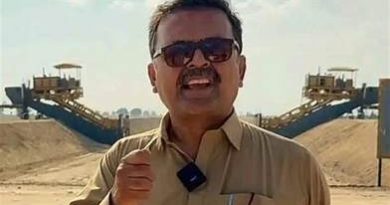
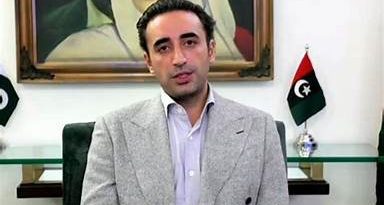
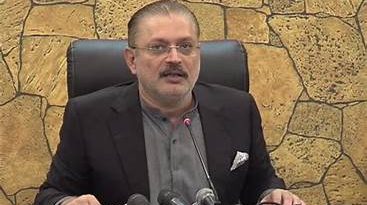
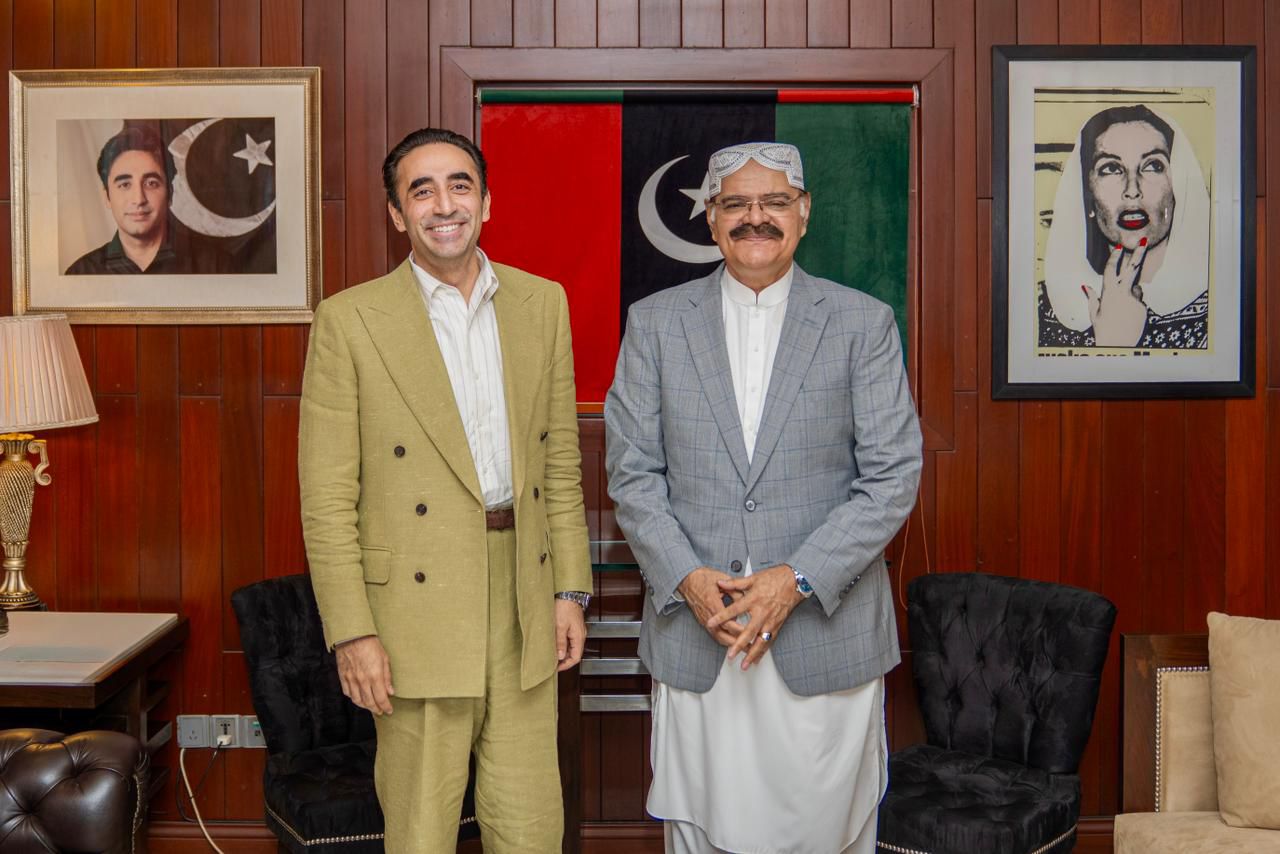
On Tuesday, several senior party leaders and lawmakers separately called on the PPP chairman at Bilawal House. Those who met him individually included Member of the National Assembly Makhdoom Jamiluz Zaman, Special Assistant to the Sindh Chief Minister Saleem Baloch, former senator and senior party leader Maula Bux Chandio, MNA Ali Jan Mazari and MPA Abdul Rauf Khoso, among others. As in previous instances, the official account of the meetings stated that matters relating to constituencies and party affairs were discussed, but it did not provide details of any specific public issue raised. 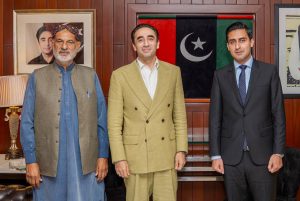
Political observers say the social background of many elected representatives in Sindh also shapes this dynamic. A large number of lawmakers belonging to the PPP in the province come from influential feudal families, large landowners, tribal chiefs or spiritual leaders who traditionally command strong personal followings in their areas. Because of their social status and economic influence, critics argue that many such politicians remain distant from the everyday problems faced by ordinary citizens, such as unemployment, poor public services and rising living costs.
Observers further note that electoral success in many rural constituencies often depends more on traditional influence and patronage networks than on policy performance or legislative work. As a result, interactions with the party leadership are frequently viewed as opportunities to maintain political influence, secure administrative support or address personal and local power considerations. 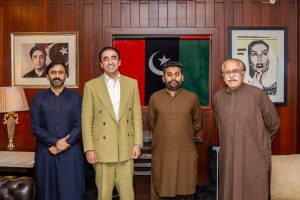
The case of MNA Makhdoom Jamiluz Zaman is often cited as an example. In 2024 he publicly criticized his party and its provincial government over what he described as a worsening law and order situation in Sindh. However, his criticism stopped after his son, Makhdoom Mahboobuz Zaman, was given portfolio of Food Department in Sindh Cabinet.
Analysts say similar patterns can be observed in the political behavior of many lawmakers who, instead of focusing on public policy issues, often seek favorable administrative decisions, development funds or key postings for associates and relatives in the bureaucracy. Critics argue that the continued absence of specific public issues in official meeting statements only strengthens the perception that the concerns of ordinary people remain largely unaddressed.