
Khamenei’s ‘Forward Defense’ Doctrine Explained
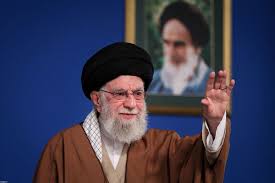
KARACHI (News Desk): Senior journalist Sohail Warraich has written in today’s column that, ‘Ayatollah Khamenei had been Iran’s ideological leader and strategic commander for the past 40 years. For the first time in history, he adopted a strategy of “forward defense.” This strategy kept the United States and Israel entangled with Hezbollah in Lebanon, Hamas in Gaza, the Fatemiyoun and Zainabiyoun brigades in Syria, volunteer forces in Iraq, and the Houthis in Yemen. As a result, for four decades, wars were fought away from Iran, on the borders of other countries, while Iran itself remained secure within a defensive shield.
Iran made every possible effort to save Bashar al-Assad’s government in Syria, even forging an alliance with Russia and securing its full support. However, after the fall of Bashar al-Assad’s government, it became clear that the circle around Iran was tightening.
Prominent Iranian-origin scholar Vali Nasr, who has access to policymaking circles in the United States, writes in his book Iran’s Grand Strategy that former Tehran mayor Gholam Hossein openly disagreed over defending the Assad government in Syria. However, the Supreme Leader viewed the defense of Syria as the defense of Iran, and considered the Syrian routes to Gaza and Lebanon essential for the success of his strategy. That is why Iranian General Qassem Soleimani initially played a crucial role in restoring the Syrian government’s writ. According to Vali Nasr, most of the fighters in the Fatemiyoun brigades in Syria were young Hazara men from Afghanistan and Pakistan, while the Zainabiyoun brigade included Shia Pakistani volunteers. These forces protected Shia holy shrines in Syria and also fought ISIS on behalf of the Assad government.
Earlier, in his well-known book The Shia Revival, Vali Nasr presented a detailed analysis of the two Shia schools of thought—Iranian and Iraqi. According to him, the Iraqi Shia school is closer to the Sunni Sufi tradition, whereas the Iranian school is closer to the interpretations of Shia scholars in Qom. The book also included detailed research on the belt stretching from Iran through Syria, Iraq, and Lebanon, extending to Shia-populated cities in Saudi Arabia.
It appears that Israel’s wars against Hamas in Gaza and Hezbollah in Lebanon were, behind the scenes, part of a grand plan to undermine Iran’s strategy. The United States and Israel had concluded that Hamas in Gaza received ideological training and weapons supplies from Iran via Syria. In Lebanon, Hezbollah’s spiritual and religious connection with Iran’s supreme commander was very clear and strong. The war in Gaza and the subsequent destruction of Hezbollah through pager-based attacks in Lebanon were efforts to isolate Iran and deprive it of its allies’.