Is diplomatic access to local officials uniform worldwide?
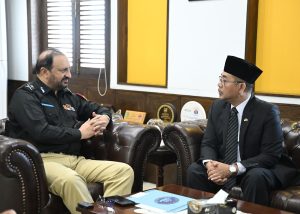
Diplomatic access to local officials in the world:
In many parts of the world, foreign diplomats routinely meet local government officials, police leadership, and bureaucrats as part of regular diplomatic engagement. Such interactions often focus on security cooperation, consular affairs, trade, and strengthening bilateral relations. These practices generally operate under the framework of the Vienna Convention on Diplomatic Relations, which outlines how diplomatic missions interact with host countries.
However, diplomatic access to local officials is not uniform worldwide. In several countries with highly centralized political systems, foreign diplomats are typically required to coordinate meetings with local authorities through the foreign ministry or other designated government channels. Direct contact with local police, security agencies, or provincial officials without prior approval is often restricted.
Countries known for maintaining strict controls over diplomatic interactions include North Korea, Turkmenistan, and Eritrea, where diplomats must generally seek government authorization before engaging with regional officials or security institutions. In some cases, travel outside the capital or meetings with local authorities require formal notification or permission.
Other states, such as Iran, China, Russia, and Vietnam, allow diplomatic engagement with local officials but typically expect such meetings to be coordinated through official channels, particularly when they involve law enforcement or security agencies.
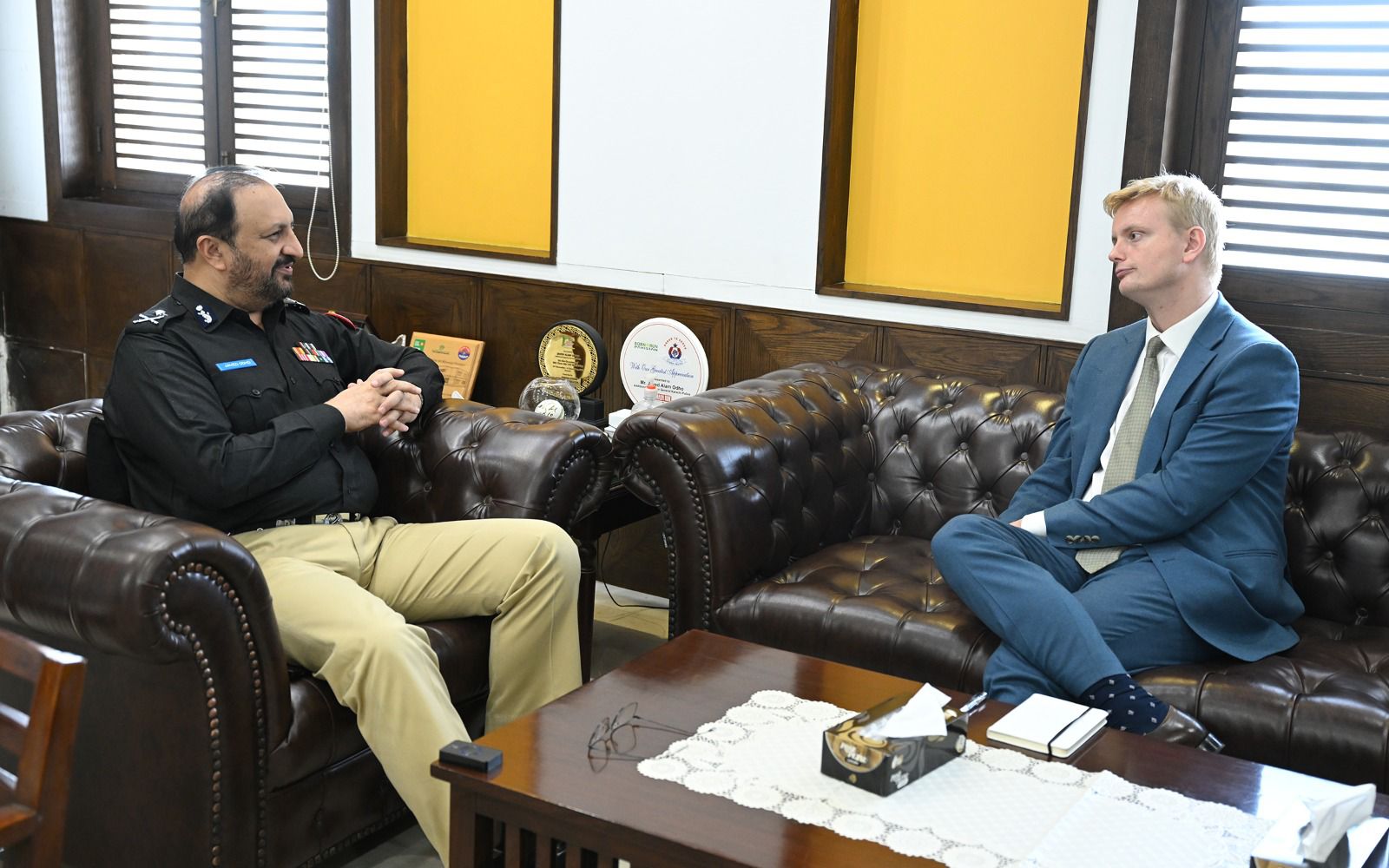
By contrast, in many democratic countries—including the United States, United Kingdom, Canada, Germany, Australia, India, and Pakistan—foreign diplomats commonly meet provincial authorities, police chiefs, and municipal officials without strict limitations. These engagements are considered part of normal diplomatic practice aimed at improving cooperation, addressing security concerns, and supporting bilateral ties.