Bringing Harmony to Karachi: From Divisions to a Shared Future
By A.R Khakhrani
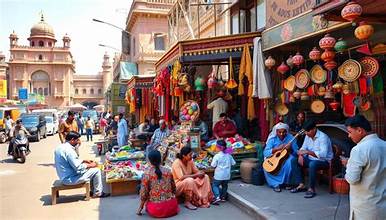
Karachi is Pakistan’s largest city and its economic heart. It is also one of the most diverse cities in South Asia. Sindhis, Urdu-speaking communities, Pashtuns, Baloch, Punjabis and many others live and work here. This diversity should be Karachi’s greatest strength. Unfortunately, it has often been turned into a source of political conflict.
The political differences in Karachi did not appear overnight. They are rooted in history. After Partition in 1947, large numbers of Urdu-speaking migrants settled in Karachi. Over time, competition over jobs, housing, political power and resources created feelings of insecurity among different groups. Political parties then organized themselves along ethnic lines, presenting themselves as “protectors” of particular communities. Instead of solving urban problems, many leaders found it easier to mobilize support through identity, fear and grievance. Weak local governments, unfair service delivery, and lack of trust in institutions further deepened these divisions.
Yet Karachi’s future cannot be built on permanent polarization. Harmony is not a luxury for the city; it is a necessity. The first step toward harmony is moving from identity politics to issue-based politics. Karachi’s real problems are the same for everyone: clean water, safe streets, transport, education, healthcare and jobs. Political leadership must focus on these shared needs rather than ethnic slogans. Strong, empowered and transparent local governments can give citizens a sense of participation and fairness, reducing the space for ethnic agitation.
Second, shared civic spaces must be rebuilt. Mixed neighborhood committees, youth clubs, sports leagues, volunteer groups and cultural events can bring people together as Karachiites rather than as ethnic labels. When communities work side by side to clean streets, support schools or help in emergencies, mistrust slowly weakens.
Third, education and media have a critical role. Schools and universities should teach Karachi’s shared history—how Sindhi heritage, migrant struggles and diverse cultures together built this city. Media should highlight cooperation, not only conflict. Cultural exchanges celebrating both Sindhi and Urdu literature, music and traditions can foster mutual respect.
Finally, harmony requires justice and fairness in governance. Equal access to services, neutral policing, merit-based employment and accountability are essential. When people trust institutions, they no longer feel the need to seek protection through ethnic politics.
Karachi does not belong to one group. It belongs to all who live in it. Its survival and success depend on replacing politics of division with a culture of cooperation, respect and shared responsibility. Only then can Karachi truly reflect its potential as a city of opportunity for everyone.