
AI Emerges as Key Pillar of Modern Governance
Special Report
KARACHI: Artificial Intelligence (AI) is rapidly becoming a strategic priority for governments worldwide, reshaping how states manage economies, public services, and national security. No longer viewed as merely a technological tool, AI is now central to governance and policy planning.
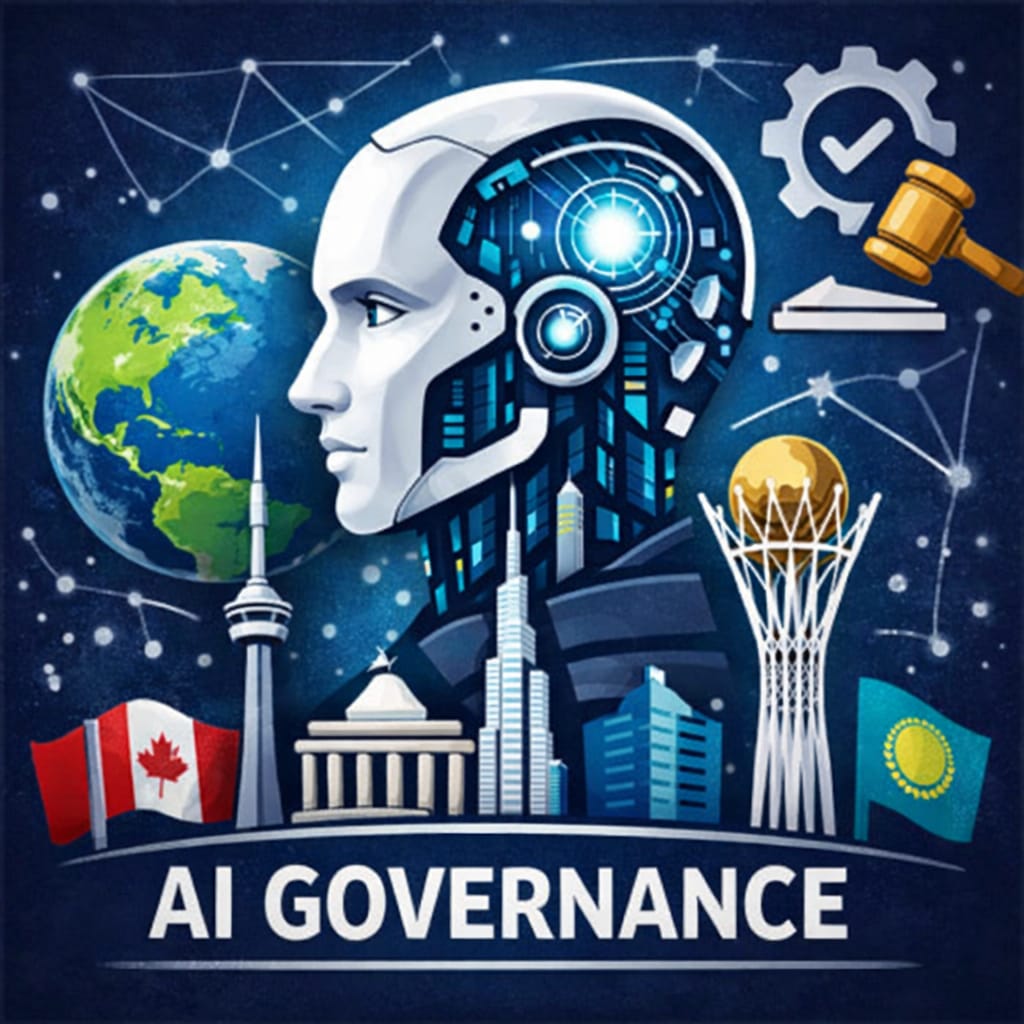
A few countries have taken significant steps by establishing dedicated AI leadership at the ministerial level. The United Arab Emirates was among the first to appoint a Minister of Artificial Intelligence, integrating AI into its national development agenda. More recently, Canada and Kazakhstan have created dedicated ministries or portfolios focused specifically on artificial intelligence and digital transformation.
Experts say countries with specialized AI ministries gain multiple advantages. Centralized leadership ensures a coordinated national strategy, avoiding fragmented policies across departments such as finance, health, education, and defense. It strengthens economic competitiveness by promoting innovation, attracting investment, and fostering high-tech industries. Dedicated oversight also helps develop ethical and regulatory frameworks to balance AI innovation with public protection.
AI governance enhances national security through smarter cybersecurity systems and data-driven decision-making. Countries with formal AI leadership are also better positioned to influence global standards and digital regulations.
In Pakistan, the federal government approved the National AI Policy 2025, aiming to build a comprehensive AI ecosystem, train one million professionals by 2030, and support innovation across sectors like agriculture, healthcare and education. The Ministry of Information Technology and Telecommunication is leading implementation, including forming a National AI Council to coordinate efforts and international partnerships. While Pakistan does not yet have a dedicated AI ministry, these policy steps show growing recognition of AI’s importance in national development — and signal a possible future expansion of institutional focus on AI governance.