From the Ballot Box to Parliament: Women Leaders in Pakistan
By Our Correspondent
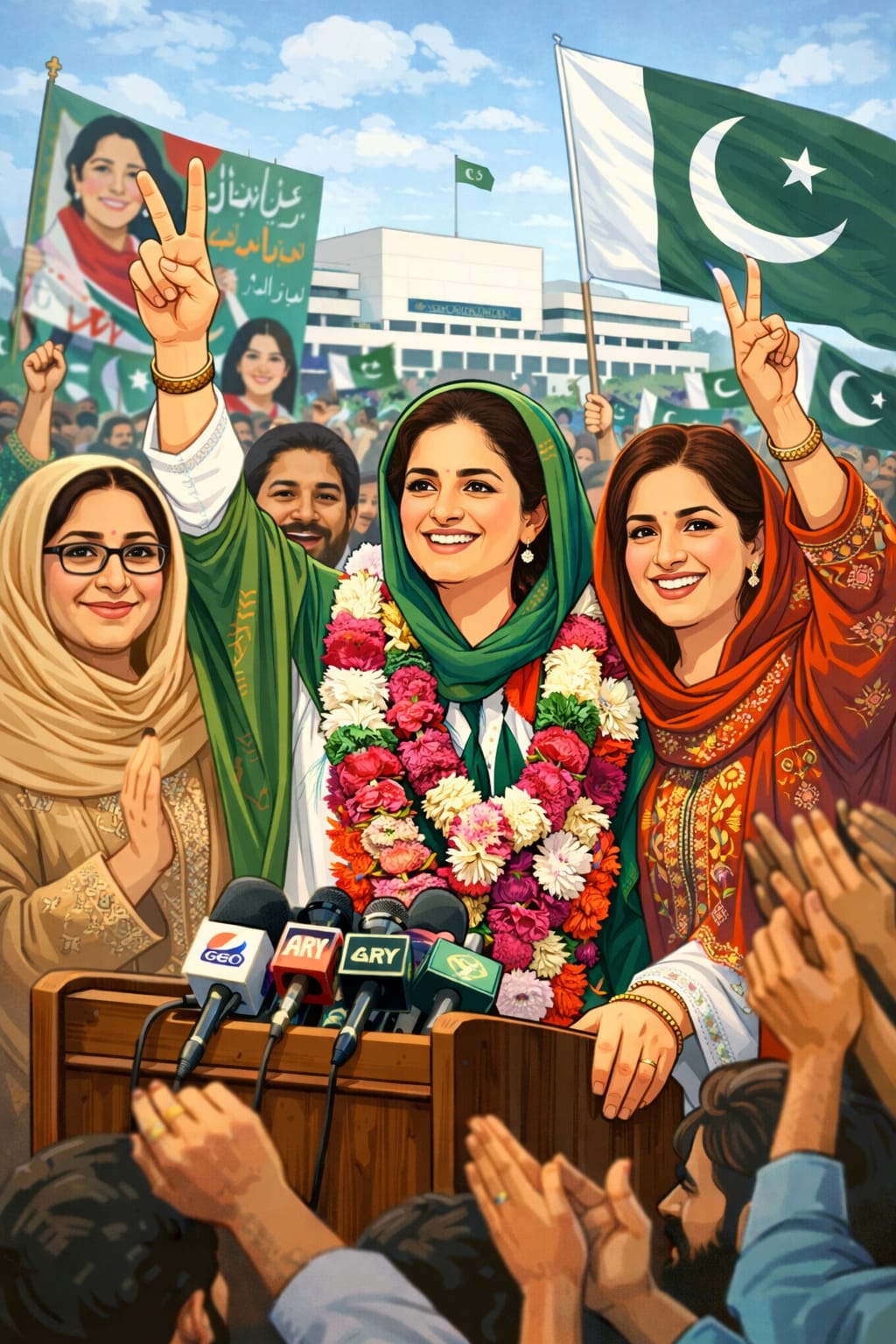
KARACHI: As the world marks International Women’s Day on March 8, attention often turns to women’s representation in politics. In Pakistan, many women enter legislatures through reserved seats allocated to political parties. Yet a smaller group of female politicians has managed something far more difficult in the country’s male-dominated political landscape: winning repeated direct elections on general seats.
These women have built strong local political bases and secured voter mandates over multiple election cycles, demonstrating that female candidates can compete and win in conventional electoral contests.
In National Assembly, among the most consistent performers is Nafisa Shah of the Pakistan Peoples Party (PPP), who represents Khairpur in the National Assembly. Shah first won a general seat in 2013 and retained it in 2018 and 2024. Known for her advocacy on human rights and minority issues, she has emerged as one of the few women in Pakistan to secure three consecutive victories through direct elections. 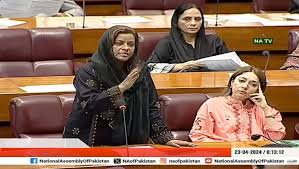
Another prominent PPP figure is Shazia Marri from Sanghar in Sindh. Marri has repeatedly won elections from her constituency and has served in several government positions, including as a provincial minister. Her continued electoral success reflects both her political experience and the PPP’s deep roots in Sindh. 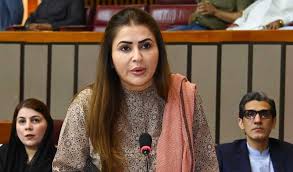
From southern Punjab, Zartaj Gul has built a strong electoral base in Dera Ghazi Khan. Associated with Pakistan Tehreek-e-Insaf (PTI), she won direct elections in 2018 and again in 2024. Gul previously served as federal minister for climate change and remains an active voice in national politics. 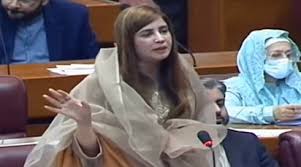
Veteran politician Tehmina Daultana of the Pakistan Muslim League (N) is another example of a woman who has repeatedly secured a direct mandate from voters. Coming from a prominent political family in Vehari, southern Punjab, Daultana has won multiple elections over several decades and has held various ministerial and party leadership roles. 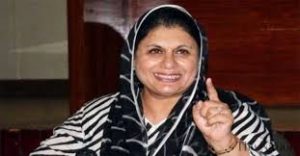
Women have also demonstrated electoral strength in provincial politics. In Sindh, senior PPP leader Faryal Talpur has won several elections to the Sindh Provincial Assembly from general seats. Known for her organizational role within the party, she is widely considered a key figure in PPP’s political structure in the province. 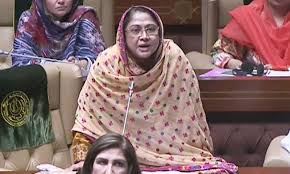
Azra Fazal Pechuho, another PPP leader in Sindh, has also been repeatedly elected directly to the provincial assembly. As Sindh’s health minister, she has played an important role in shaping the province’s public health policies, including during the COVID-19 pandemic. 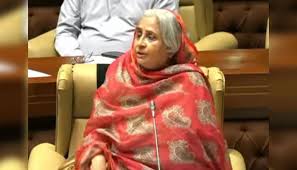
Ghulam Bibi Bharwana from Punjab is another veteran politician who has won more than once through direct elections and has served in the National Assembly. Her electoral success in the Jhang region highlights the rare but significant presence of women candidates winning competitive general constituencies in central Punjab. 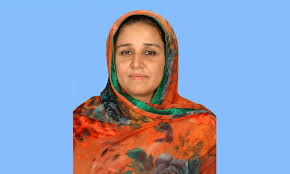
Pakistan’s National Assembly has 272 general seats filled through direct elections, alongside 60 reserved seats for women distributed among political parties. While the reserved seat system ensures women’s representation, only a limited number of women manage to win general constituencies repeatedly against male competitors.